8/10
4
By (-•~)
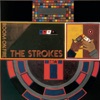
Room on Fire is the follow-up to The Strokes' debut album, Is This It. Simply put, the Strokes blew up following the release of Is This It which is considered the best debut rock album of the 2000s but this praise was ephemeral as The Strokes had a lot to live up to when creating the second album. On October 21, 2003, Room on Fire was released. The songs on the album are the sort of gritty nonchalance expected of a rock band, but like most rock songs the implication of the songs are pretty deep. Looking into certain songs like “What Ever Happened?” the first song in the album, the title itself is a good summary of the song. Julian Casablanca the frontman reflects on the band's life previous to the fame when they were making music for fun without all this pressure.
The first line in the song “I wanna be forgotten And I don’t wanna be reminded,” elucidates the fact. The album consists mostly of break-up songs, with a sort of “you never knew me anyway” or “I’m better off by myself” message behind most of them. Of course, I can’t review this album and not speak of the indubitable similarities between Is This It and Room On Fire as when it was released It’s what a lot of fans noticed. The undebatable similarities between these two albums may be a reflection of the time not given to work on this album. Being on a two-year tour soon after the release of Is This It stymied them from making a lot of new music and by the end of the tour, the band members were exhausted and the clock was ticking.
While the rest of the band were enjoying their time off tour and being indolent, Casablanca was writing. The record label (RCA) which the band chose to sign with because of their lax attitude was getting antsy. The original 5 months given to finish their second album was rushed to 2 months. Not to mention the quandary with Nigel Godrich (produced for Paul McCartney, Radiohead, U2, etc) which left the band feeling hopeless about the sound of their music, The Strokes decided to stay with the same producer who produced for them on their debut album. And to make it all worse, the pressure. This claustrophobic, seemingly never-ending, pulsating, asthma-inducing pressure to be great, the best, not a one-hit-wonder.
There's a story that follows the debut of The Strokes, where Courtney Love starts up a conversation with lead singer and lyricist Julian Casablanca. She starts to chide the frontman a man with a grimy, young, and new-to-the-rock scene countenance, for his handling of his fame, Casablanca wants no part in the conversation seemingly perfunctory with his responses. Eventually, she gets up to leave, and on her way out she says: “This is your bleach, your next record has to be never mind.”. While this conversation remains a rumor the amount of pressure Casablanca and the Band felt at the time is represented.
This pressure is effused in the album, in certain lines like “You’re not trying hard enough. Our lives are changing lanes. The wait is over.” from “Reptilia” (second track) or this one “It won't stop I can’t stop Give me some time, I just need a little time” from “You Talk Way Too Much” (fifth track) there is this persisting narrative of wanting more time, despite the general story of the song. I wonder if he’s referring to time, saying he needs more time to work on the album or more time before fame to enjoy his music. Either way this album did what it was intended to, it solidified The Strokes place in the music industry, the gritty vocals, the growl of Casablanca’s voice, and the playful instrumentals jumping back and forth, Room On Fire is related to Is This It, sharing the same DNA. I give Room On Fire an 8/10.
Work Cited
Marc. “Was That It? - the Pressure behind the Strokes.” YouTube, MarcButEvil, 27 July 2024, youtu.be/6Ngq4p9ibMA?si=IcMwZBp9iOwb1jZp. Accessed 29 Oct. 2024.
“Room on Fire by the Strokes.” Genius, 28 Oct. 2003, genius.com/albums/The-strokes/Room-on-fire. Accessed 11 Oct. 2024.